Category: marcato

  • Unveiling Divine Grace: The Profound Importance of Rudra Abhishek

    Unveiling Divine Grace: The Profound Importance of Rudra Abhishek

    In the rich tapestry of Hindu rituals, few ceremonies resonate with the power and reverence of Rudra Abhishek. This ancient and sacred bathing ritual, dedicated to Lord Shiva in his fierce yet benevolent form as Rudra, is not merely a set of actions but a profound spiritual experience aimed at invoking cosmic energy and divine blessings.

    What is Rudra Abhishek?

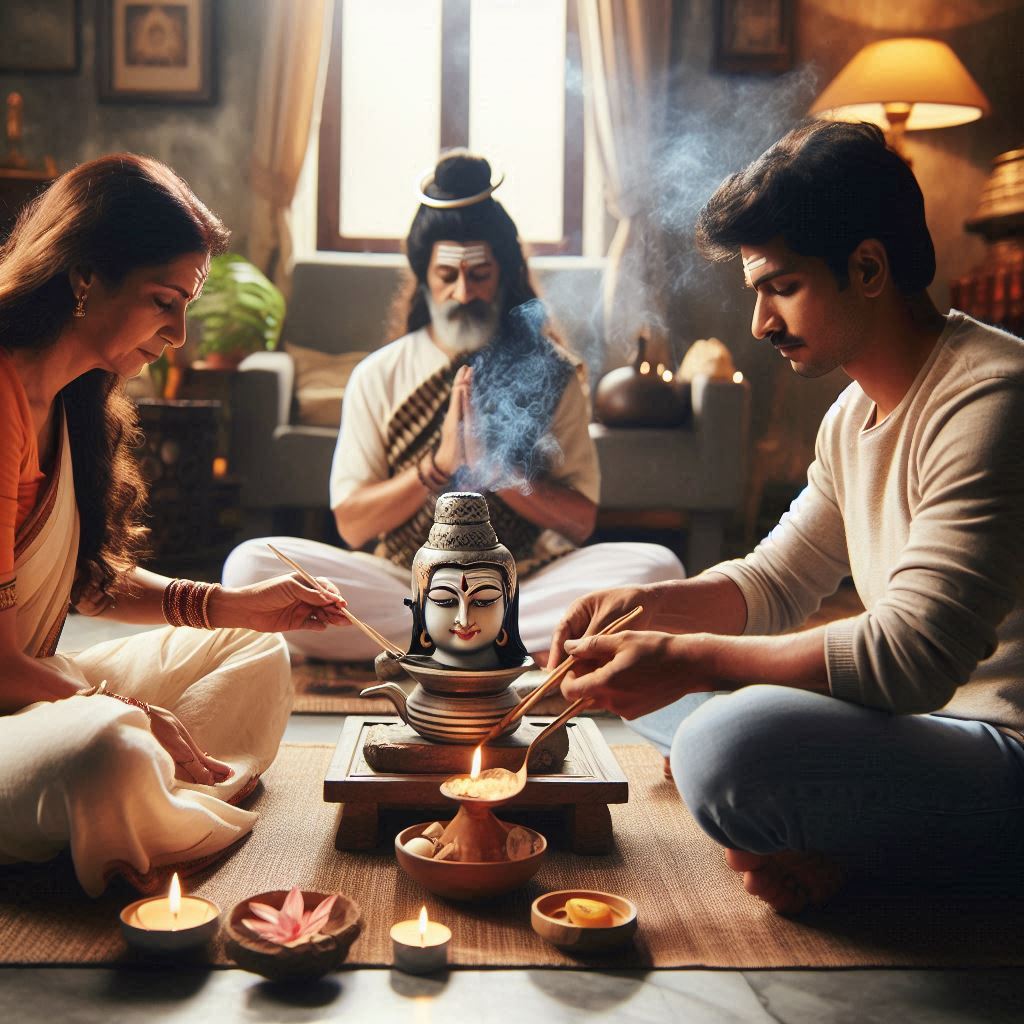
    The term “Rudra Abhishek” combines “Rudra,” another name for Lord Shiva, signifying his formidable and destructive (of evil) aspects, and “Abhishek,” which means a ceremonial bathing. During this elaborate puja, the Shiva Lingam (the aniconic representation of Shiva) is bathed with various holy substances like water, milk, yogurt, ghee, honey, sugar, and more, while powerful Vedic mantras, especially the Sri Rudram from the Yajur Veda, are chanted.

    Why is Rudra Abhishek So Important?

    The significance of performing Rudra Abhishek is deeply rooted in Vedic philosophy and centuries of spiritual experience. It’s believed to be one of the most potent ways to connect with Lord Shiva’s divine energy and receive his boundless grace. Here’s why it holds such paramount importance:

    1. Purification and Cleansing: The primary benefit of Rudra Abhishek is its immense purifying power. The sacred substances, combined with the resonant vibrations of the mantras, are believed to cleanse not just the physical space but also the mind, body, and soul of the devotee. It helps wash away negative karma, sins, and impurities.

    2. Removal of Obstacles and Adversities: Lord Shiva is the supreme destroyer – not just of the universe, but of obstacles, negativities, and illusions. Performing Rudra Abhishek is believed to appease him, leading to the removal of hindrances in life, mitigating the malefic effects of planets (graha doshas), and overcoming challenges in personal, professional, and financial spheres.

    3. Attainment of Prosperity and Well-being: Devotees perform this puja to invite abundance, wealth, and prosperity into their lives. It’s believed to foster overall well-being, good health, success in endeavors, and harmony in relationships. For those seeking progeny, it is also performed to be blessed with children.

    4. Protection from Negative Forces: Rudra, in his fierce form, is a protector. This puja is said to create a powerful shield against negative energies, evil eye, black magic, and untimely death (as is also associated with the Maha Mrityunjaya Mantra often chanted during the ritual).

    5. Spiritual Growth and Inner Peace: Beyond material benefits, Rudra Abhishek is a catalyst for profound spiritual growth. The intense chanting and focused devotion help still the mind, calm anxieties, and usher in deep inner peace and contentment. It strengthens one’s connection with the divine, fostering spiritual evolution and moving one closer to liberation (Moksha).

    6. Cosmic Harmony and Environmental Impact: The powerful vibrations generated during the Rudra Abhishek are believed to purify the environment, balance cosmic energies, and bring harmony not just to the individual but also to their surroundings and the broader world.

    When is it Most Potent?

    While Rudra Abhishek can be performed throughout the year, it holds special significance during:

    • Shravan Maas (Sawan Month): This entire month is dedicated to Lord Shiva, and performing Rudra Abhishek during Shravan, especially on Mondays (Somwars), is considered exceptionally meritorious.
    • Maha Shivaratri: The grand night of Shiva.
    • Pradosh Vrat: The twilight period on the 13th day of the lunar fortnight.
     

  • Why Shravan Month is So Special

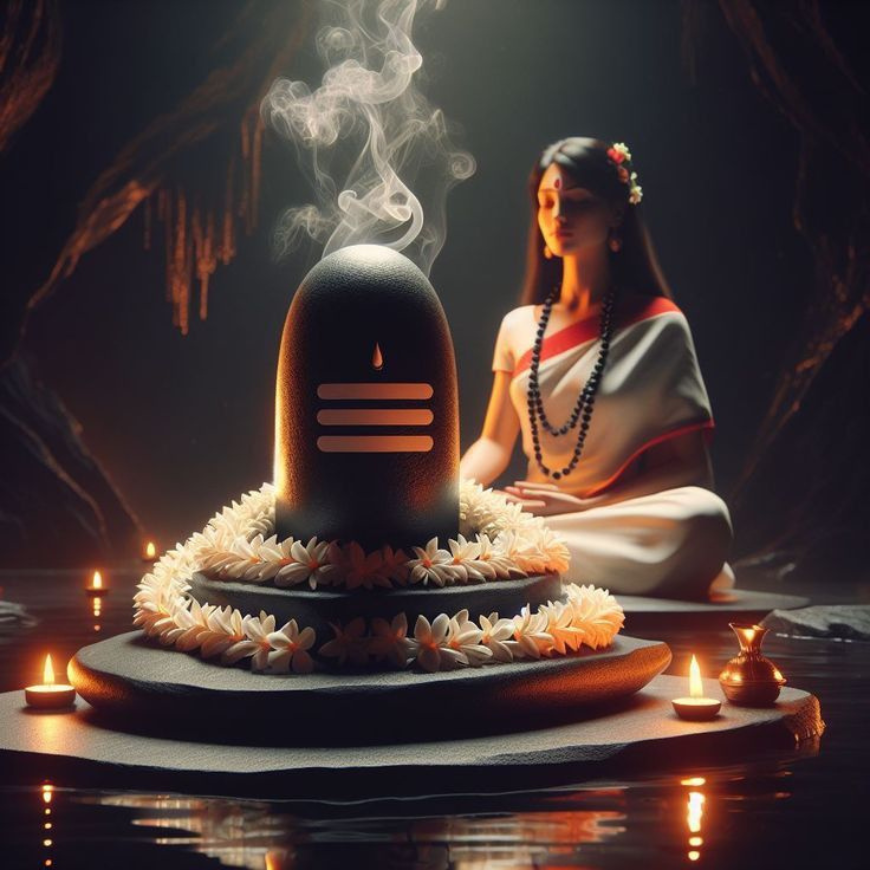
    Why Shravan Month is So Special

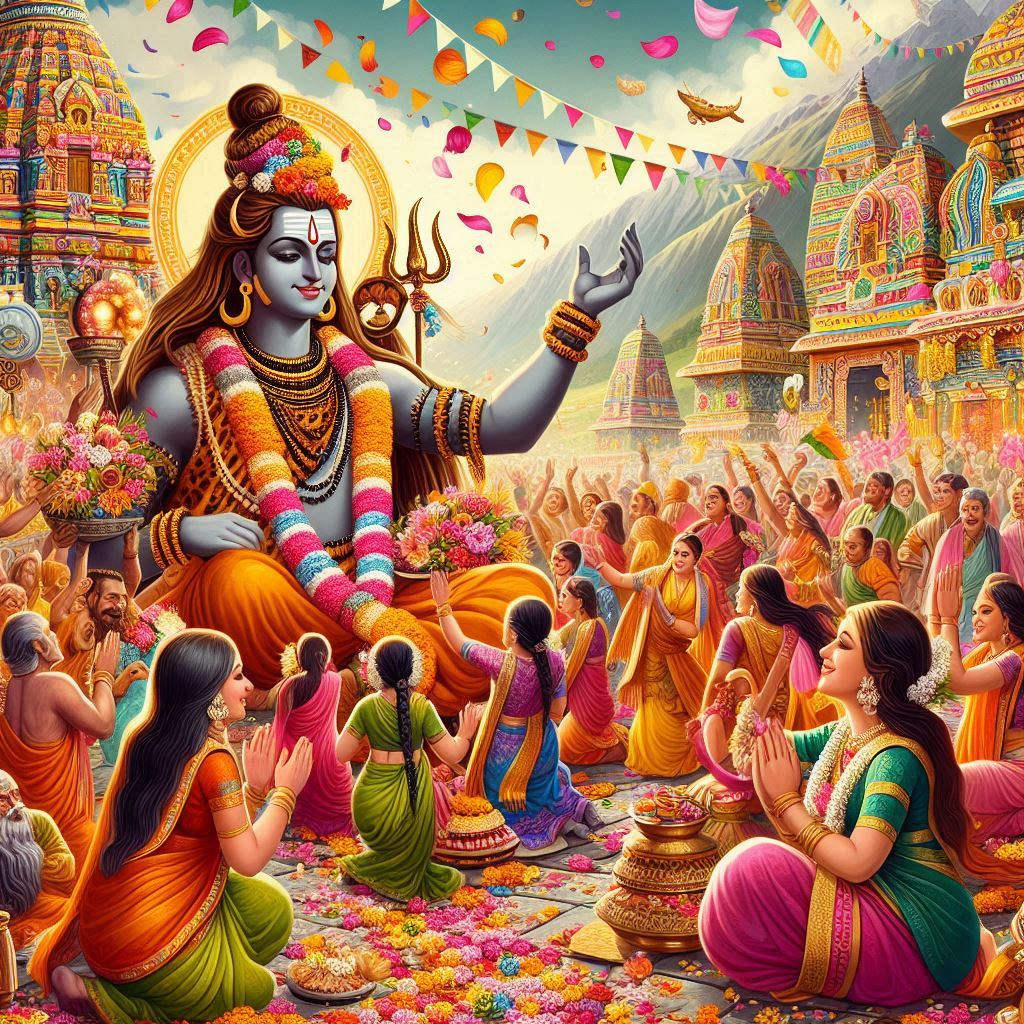
    As the monsoon clouds gather and the earth breathes a sigh of relief with the first drops of rain, a distinct spiritual fervor envelops India. This period marks the arrival of Shravan Maas, also known as Sawan, the fifth month in the Hindu calendar. Revered as the most sacred month dedicated to Lord Shiva, Shravan is a time of intense devotion, spiritual purification, and immense blessings.

    In 2025, Shravan Maas for North Indian states (Purnimanta calendar) commences on Friday, July 11, and concludes on Saturday, August 9. For South and Western Indian states (Amanta calendar), it begins on Thursday, July 25, and ends on Thursday, August 23.

    Why is Shravan So Special? The Mahima (Glory) Unveiled:

    The significance of Shravan stems from several ancient legends and spiritual beliefs:

    1. Lord Shiva’s Favorite Month: It is widely believed that Shravan is Lord Shiva’s most beloved month. Legend has it that Goddess Parvati observed severe penance during Shravan to win Lord Shiva as her husband. Pleased with her devotion, Lord Shiva granted her wish, making this month eternally special for devotees seeking blessings for a harmonious married life.

    2. Samudra Manthan Connection: One of the most famous legends associated with Shravan is the Samudra Manthan (Churning of the Cosmic Ocean). During this event, deadly poison (Halahala) emerged, threatening to destroy the universe. Lord Shiva, out of compassion, consumed the poison to save creation, holding it in his throat, which turned blue (hence, Neelkanth). To soothe the burning effect of the poison, the Devas offered him water and various cooling substances. Devotees believe that offering water and performing Abhishek during Shravan helps alleviate Shiva’s pain, earning immense blessings.

    3. The Cosmic Shower of Blessings: The monsoon rains that arrive during Shravan are seen as nature’s own ‘Abhishek’ to the Lingam (the Earth), symbolizing the continuous flow of divine grace from Lord Shiva upon the world. The greening of the earth reinforces the message of renewal and life bestowed by Shiva.

    Key Observances and Spiritual Practices:

    During Shravan, devotees engage in various practices to appease Lord Shiva and seek his blessings:

    • Shravan Somwar Vrat (Monday Fasting): Mondays (Somwar) are inherently sacred to Lord Shiva. Observing a fast on Shravan Somwars is considered highly auspicious, believed to fulfill desires, grant good health, happiness, and for unmarried women, a suitable life partner.
    • Rudra Abhishek: Performing the sacred bathing ritual of the Shiva Lingam with water, milk, curd, ghee, honey, and other substances while chanting powerful mantras is the most significant ritual. It’s believed to purify sins, remove obstacles, and bring prosperity.
    • Jalabhishek: A simple yet profound act of continuously offering water to the Shiva Lingam.
    • Maha Mrityunjaya Japa: Chanting the powerful Maha Mrityunjaya Mantra for longevity, good health, and protection from untimely death.
    • Offering Bilva Patra: The Bilva (Bel) tree and its leaves are extremely dear to Lord Shiva. Offering Bilva Patra is considered highly meritorious.
    • Visiting Shiva Temples: Devotees throng Shiva temples to offer prayers, participate in pujas, and immerse themselves in the divine atmosphere. Many temples organize special Aarti, Bhajans, and discourses throughout the month.
    • Simple Devotion: Even if elaborate rituals aren’t possible, heartfelt prayers, chanting “Om Namah Shivaya,” and meditating on Lord Shiva can bring immense spiritual benefits.

    The Spiritual Essence of Shravan:

    Shravan is a month that encourages introspection, spiritual discipline, and deeper connection with the divine. It’s a reminder of Lord Shiva’s compassion, his role as the transformer, and his ability to remove negativity and bestow blessings. The serene atmosphere, combined with collective devotion, makes Shravan a truly transformative period for spiritual aspirants.

  • The Awesome Stories of Lord Shiva You Should Know

    The Awesome Stories of Lord Shiva You Should Know

    Lord Shiva, the “Auspicious One,” is one of the most complex and fascinating deities in the Hindu pantheon. He is often called “Mahadeva” (Great God) and is part of the Trimurti (Hindu Trinity) alongside Brahma (the creator) and Vishnu (the preserver), with Shiva representing the aspect of destruction and transformation. His stories and legends are rich with symbolism, paradox, and profound spiritual wisdom.

    Here are some of the most popular and significant Shiva stories and legends:

    1. The Samudra Manthan (The Churning of the Cosmic Ocean): This is perhaps one of the most iconic stories. Gods (Devas) and demons (Asuras) collaborated to churn the cosmic ocean to obtain the elixir of immortality (Amrit). During the churning, a deadly poison called Halahala emerged, threatening to destroy all creation. No one could bear its potency. Lord Shiva, out of immense compassion for the universe, drank the poison. Goddess Parvati quickly grasped his throat to prevent the poison from descending to his stomach and harming his body. The poison remained in his throat, turning it blue. This is why Shiva is known as Neelkanth (Blue-Throated). This story highlights Shiva’s selfless nature and his role as a universal savior.

    2. The Birth of Ganesha: This beloved tale explains how Lord Ganesha came to be. While Shiva was away, Goddess Parvati, feeling lonely and desiring a protector, created a boy from the dirt and sweat of her body and breathed life into him. She instructed him to guard the entrance while she bathed. When Lord Shiva returned, Ganesha, not recognizing him, obstructed his path. Enraged by this unknown boy’s defiance, Shiva, in a fit of fury, severed Ganesha’s head. Parvati was heartbroken and revealed that Ganesha was her son. To pacify her, Shiva commanded his ganas (attendants) to bring the head of the first living creature they encountered that was facing north. They found an elephant’s head, which Shiva then affixed to Ganesha’s body, bringing him back to life. Ganesha was then proclaimed the chief of the ganas and received the boon that he would be worshipped first in all rituals.

    3. Daksha Yagna and Sati’s Sacrifice: Sati was Lord Shiva’s first wife, the daughter of Prajapati Daksha. Daksha, proud and arrogant, harbored a strong dislike for Shiva, whom he considered an uncouth ascetic. He organized a grand Yagna (fire sacrifice) and deliberately excluded Shiva and Sati. Despite Shiva’s advice not to go uninvited, Sati, out of love for her parents and a desire to attend, went to the Yagna. There, Daksha publicly insulted Shiva. Unable to bear the disrespect shown to her beloved husband, Sati immolated herself in the sacrificial fire, giving up her life as a protest against her father’s arrogance. A distraught and enraged Shiva arrived, taking on his fierce form of Virabhadra. He destroyed Daksha’s Yagna and eventually brought Daksha back to life, but only after replacing his head with that of a goat, as a lesson in humility.

    4. Shiva’s Tandava and Nataraja: Shiva is renowned as the Lord of Dance (Nataraja). His cosmic dance, the Tandava, is a vigorous and dynamic dance that signifies the cosmic cycles of creation, preservation, and dissolution. It represents the five manifestations of eternal energy: Srishti (creation), Sthiti (preservation), Samhara (destruction), Tirobhava (illusion), and Anugraha (release/salvation). When Shiva performs his destructive Tandava, it signals the end of a cosmic cycle, making way for new creation. The Nataraja icon depicts Shiva dancing within a circle of flames, crushing the demon Apasmara (symbolizing ignorance) under his foot, signifying that ignorance is overcome by divine knowledge.

    5. The Descent of Ganga (Gangadhara): King Bhagiratha performed severe penance for thousands of years to bring the sacred River Ganga down to Earth to purify the ashes of his ancestors and grant them salvation. However, the mighty force of Ganga’s descent was so immense that it threatened to shatter the Earth. Bhagiratha prayed to Lord Shiva, who agreed to break Ganga’s fall. Shiva received Ganga in his matted locks (Jata) and released her gently onto the Earth in several streams. This act saved the Earth from devastation, and Shiva gained the epithet Gangadhara (Bearer of Ganga).

    6. Shiva and the Burning of Kama (Kamadev): After Sati’s sacrifice, Shiva retreated into deep meditation and severe asceticism. The gods needed Shiva to marry Parvati (Sati’s reincarnation) to produce a son who would defeat the formidable demon Tarakasura. To break Shiva’s meditation, they sent Kamadev, the god of love, to strike Shiva with his arrow of desire. When Kamadev shot his arrow, Shiva’s meditation was disturbed. In a fit of immense anger, Shiva opened his third eye (located on his forehead), and the powerful fiery gaze reduced Kamadev to ashes. This story signifies Shiva’s mastery over desire and his ascetic power. Later, Kama was resurrected by Rati (Kama’s wife) and reborn as Pradyumna, Krishna’s son.

    These stories, among many others, illustrate the multifaceted nature of Lord Shiva: he is the ultimate ascetic and the loving householder, the destroyer of evil and the bestower of boons, the fearsome Rudra and the compassionate Bholenath (innocent one). His legends offer profound insights into the cycles of life, death, and rebirth, the importance of devotion, and the path to spiritual liberation.

  • Kapileshwar Mahadev Mandir: Temple’s Historical Connection with the Region – Bhusawal, Maharashtra

    Kapileshwar Mahadev Mandir: Temple’s Historical Connection with the Region – Bhusawal, Maharashtra

    Nestled in the heart of Bhusawal, Maharashtra, Kapileshwar Mahadev Mandir is more than just a temple — it is a living testament to the town’s spiritual and cultural heritage. With its ancient roots and unwavering devotion to Lord Shiva, the temple has remained a sacred landmark for generations of devotees and a symbol of divine grace in the Khandesh region.

    🛕 A Glimpse into the Past

    Kapileshwar Mahadev Mandir is believed to be centuries old, its origins linked with sages and spiritual seekers who once roamed the banks of the Tapi River. Local folklore connects the temple’s name to Rishi Kapil, a revered sage in Hindu scriptures, who is said to have meditated here, invoking Lord Shiva’s blessings. This spiritual significance makes the temple not only a place of worship but also a historic center of learning and penance.

    📍 Bond with Bhusawal’s Growth

    As Bhusawal grew into an important railway and trade junction during the British era, the temple continued to serve as a spiritual anchor for the region. Locals from nearby villages, traders, and railway workers often sought solace and strength in Lord Shiva’s darshan, especially during testing times. Even today, the temple serves as a spiritual stop for travelers and pilgrims from all across Maharashtra.

    🙏 Celebrations that Connect the Community

    Kapileshwar Mandir plays a central role in celebrating regional festivals such as Shravan Maas, Maha Shivratri, Pradosh Vrat, and Sawan Somvar. These festivals not only strengthen spiritual devotion but also bring together the local community, enhancing cultural bonds. The temple becomes a hub of activity, with devotees participating in Rudra Abhishek, Maha Aarti, and community feasts (Bhandaras).

    🛕 Preserving Tradition in Modern Times

    Despite urban development and modernization, the temple has retained its serene charm. The Kapileshwar Mahadev Mandir Trust actively maintains its heritage while upgrading facilities for the comfort of devotees. With community support, it continues to preserve rituals, renovate temple structures, and promote religious awareness among the younger generation.


    ✨ Conclusion

    Kapileshwar Mahadev Mandir is more than a place of worship — it’s a cultural soul of Bhusawal. Rooted in ancient traditions yet open to the modern world, the temple remains a powerful symbol of faith, history, and unity. As thousands bow their heads before the divine Shivling, they also pay homage to a legacy that connects past, present, and future.